





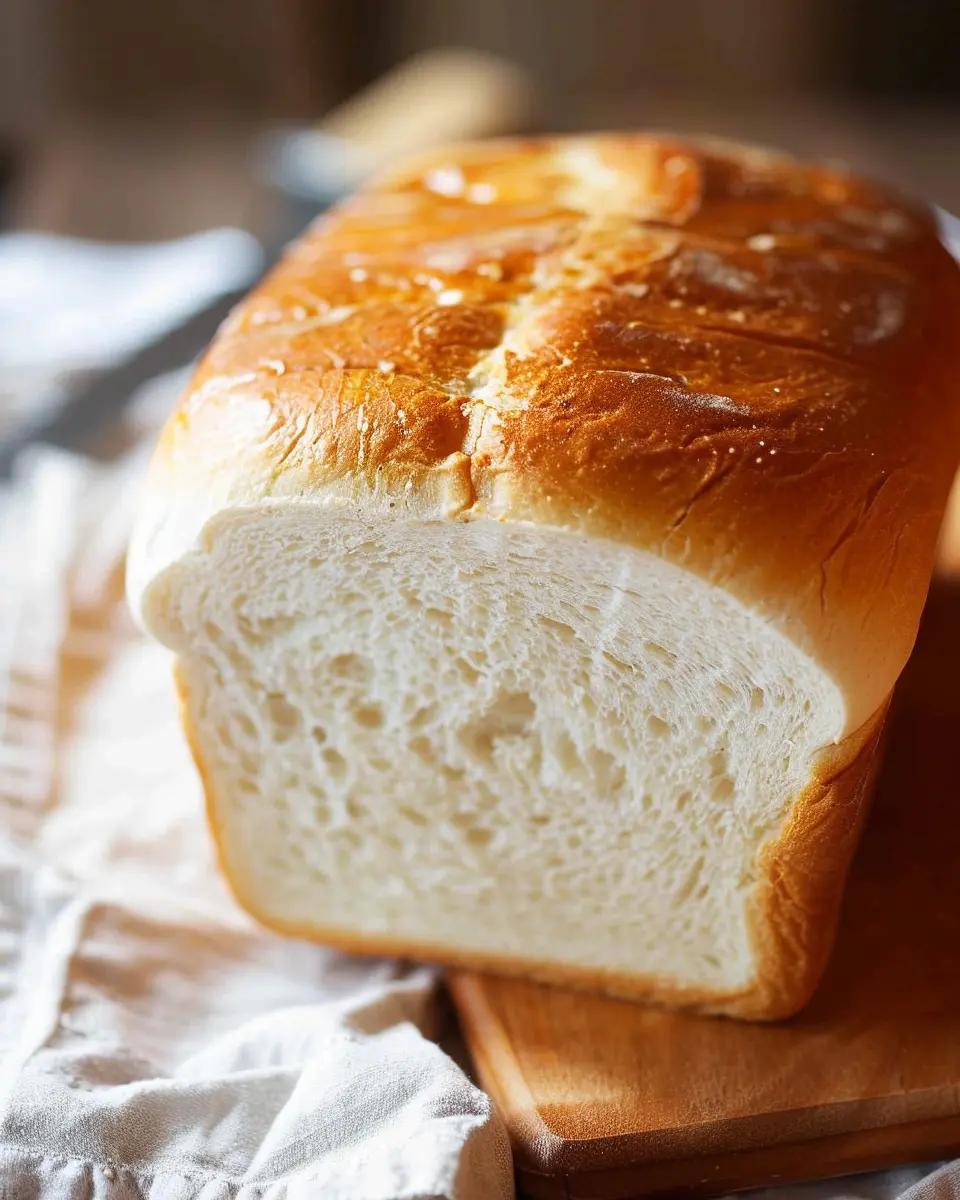
Introduction to Amish White Bread
When was the last time you sliced into a fresh loaf of bread? The experience of homemade bread, especially Amish white bread, carries a warmth and flavor that you simply can’t find in most store-bought options. Making your own bread not only gives you control over the ingredients but also enriches the whole baking experience with nostalgia and satisfaction. It’s surprising how a simple act can bring so much joy!
Why Choose Homemade Bread Over Store-Bought?
Homemade bread is not just about flavor—it’s about quality, nutrition, and the experience. Here’s why making your own Amish white bread should be on your to-do list:
-
Better Ingredients: When crafting your loaf, you decide what goes in. No preservatives, unwanted additives, or mystery ingredients! Just flour, water, salt, sugar, and yeast. Understanding each component helps build healthier meals.
-
Economical: Think about it: a loaf from the store can cost between $3 to $6. With a few basic ingredients, you can make multiple loaves for the same price. According to the American Baker’s Association, baking at home can save you a significant amount of money over time. What could you do with those extra savings?
-
Sensory Satisfaction: Remember the aroma of fresh bread wafting through your kitchen? It’s an experience that can’t be matched. The sight of the dough rising, the sound of a crunchy crust when first sliced, and the taste of warm bread can transport you to simpler times.
-
Customization: Feel free to experiment! Want to add herbs, spices, or maybe even a touch of honey? You can cater to your palate, making each loaf unique.
Beyond mere sustenance, baking creates a ritual that enhances daily life. Imagine the joy of sharing a slice with a friend or family member, savoring the taste of something made with love. Ready to dive in? Creating your own Amish white bread is not just about fulfilling your hunger—it’s about crafting moments and memories.
By supporting local farmers or choosing organic flour, you’re not only improving your health but also contributing to a sustainable food system. For more insights on sustainable baking practices, check out the article on FoodPrint.
Let’s embark on this delicious journey together!
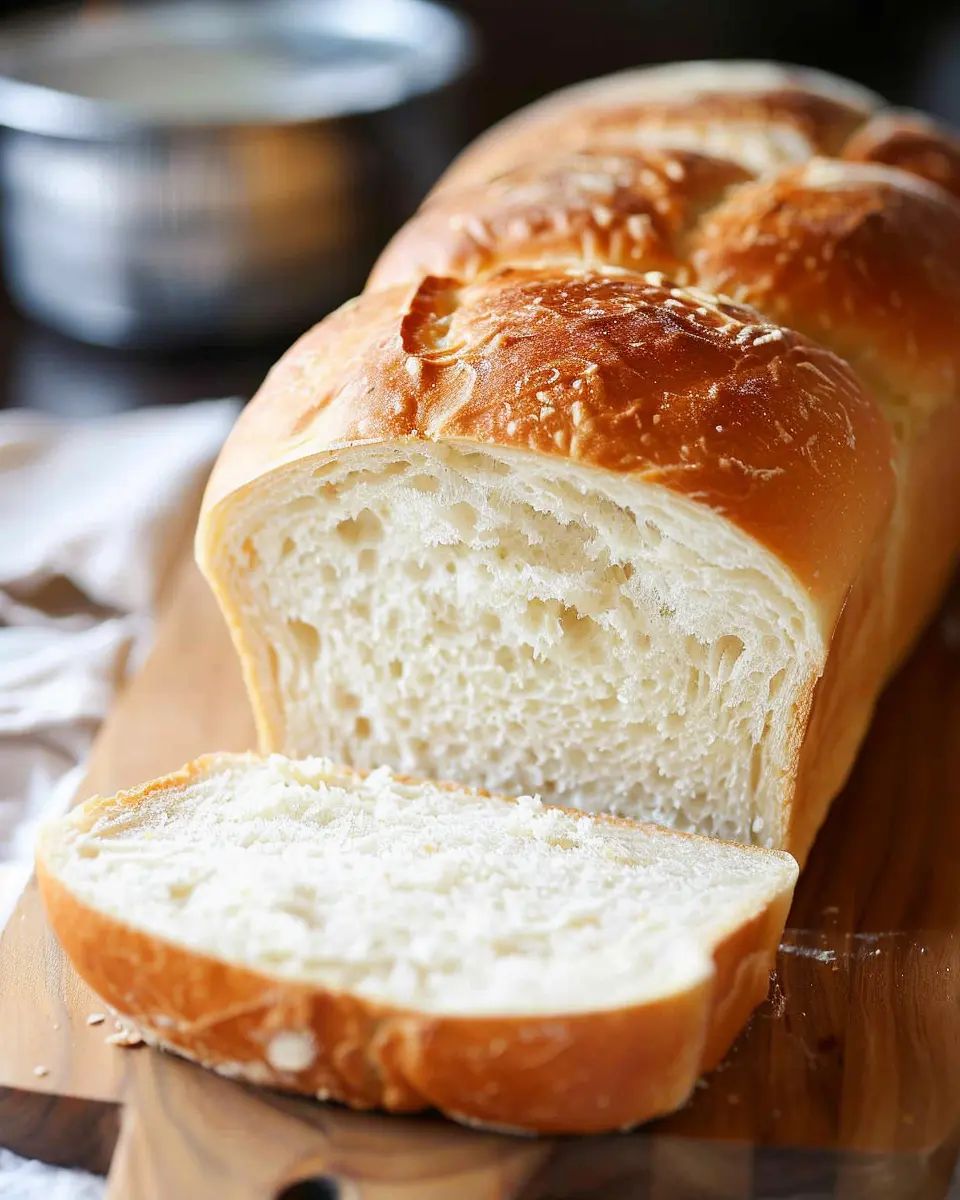
Ingredients for Amish White Bread
Essential ingredients for the perfect loaf
When it comes to creating the most delicious Amish white bread, having the right ingredients is crucial. Here’s what you’ll need for that fluffy, aromatic loaf that everyone will love:
- Flour: Start with high-quality all-purpose flour. It provides the structure and is the backbone of your bread.
- Yeast: Choose active dry yeast or instant yeast for that perfect rise. Fresh yeast makes a significant difference in flavor and texture.
- Water: Warm water is key to activating the yeast. Aim for a temperature of about 110°F (43°C) for optimal results.
- Sugar: A touch of sugar not only sweetens the bread but also feeds the yeast, helping it rise beautifully.
- Salt: Don’t skip the salt! It adds flavor and strengthens the dough’s structure.
- Butter: Melted butter gives a rich flavor and soft texture that elevates the overall experience.
With these simple yet effective ingredients, you’re well on your way to baking a delightful loaf of Amish white bread. Interested in more baking tips? Check out King Arthur Baking for expert advice and resources. Happy baking!
Step-by-Step Preparation of Amish White Bread
Baking your own Amish white bread is not just about enjoying the satisfaction that comes from home-cooked goodness; it’s also about embracing a cherished tradition that yields incredibly soft and fluffy loaves perfect for any meal. Let’s take a walk through this delightful process, ensuring that each step is clear and enjoyable.
Activate the Yeast
The journey begins by awakening the yeast, the hero of our bread-making tale. In a small bowl, combine:
- 2 cups warm water (not hot, ideally around 110°F)
- 2 tablespoons sugar
- 1 packet of active dry yeast (or about 2 ¼ teaspoons)
Let this mixture sit for about 5–10 minutes until it becomes frothy. This is your yeast proving it’s alive and ready to work its magic. If after ten minutes it’s not frothy, your yeast might be inactive—time to grab a new packet!
Mix Dry Ingredients
While the yeast is getting cozy, it’s time to tackle the dry ingredients. In a large mixing bowl, whisk together:
- 6 cups all-purpose flour (plus more for dusting)
- 1 tablespoon salt
Combining these essentials will set the stage for the perfect texture in your Amish white bread.
Combine Wet and Dry Ingredients
Next, it’s time to bring the wet and dry components together. Pour the activated yeast mixture into the flour and salt mix. This is where things start to get exciting! Add:
- ¼ cup vegetable oil (or melted butter for a richer flavor)
Stir everything until a rough dough begins to form. It might feel sticky, but don’t worry—that’s part of the charm of homemade bread!
Knead the Dough
Once the dough has come together, it’s kneading time—a core skill in bread-making. Sprinkle a little flour on your countertop, then turn out your dough.
- Knead the dough for about 8–10 minutes until it becomes smooth and elastic.
If it’s too sticky, don’t hesitate to add a bit more flour but do so sparingly—aiming for just the right balance.
First Rise
Place the kneaded dough in a lightly greased bowl, cover it with a clean kitchen towel or plastic wrap, and let it rise in a warm, draft-free area. This usually takes about 1 hour, or until it’s doubled in size. You might want to put it near the oven while it warms up—multitasking at its finest!
Shape the Dough for the Loaf
After the first rise, gently punch the dough down to release the air. Turn it out onto a floured surface again, then shape it into a loaf. Tuck the edges in and pinch the seams to ensure a nice, tight loaf.
Second Rise
Transfer the shaped dough to a loaf pan that has been greased. This is your dough’s final growth spurt before baking. Cover it with a towel and let it rise again for about 30–40 minutes, until it puffs up nicely.
Preheat and Bake
While your dough is enjoying its second rise, preheat your oven to 350°F (175°C). Once ready, place the loaf in the oven and bake for 30–35 minutes. You want a golden-brown top that sounds hollow when tapped.
Cooling the Loaf
Once out of the oven, let your Amish white bread cool in the pan for about 10 minutes. Then remove it from the pan and let it cool completely on a wire rack.
And there you have it! Your Amish white bread is now ready to be sliced and savored. Think about slathering on some butter, or as a delightful base for your favorite turkey bacon or chicken ham sandwich. Enjoy the process, and don’t hesitate to share your baking journey with friends!
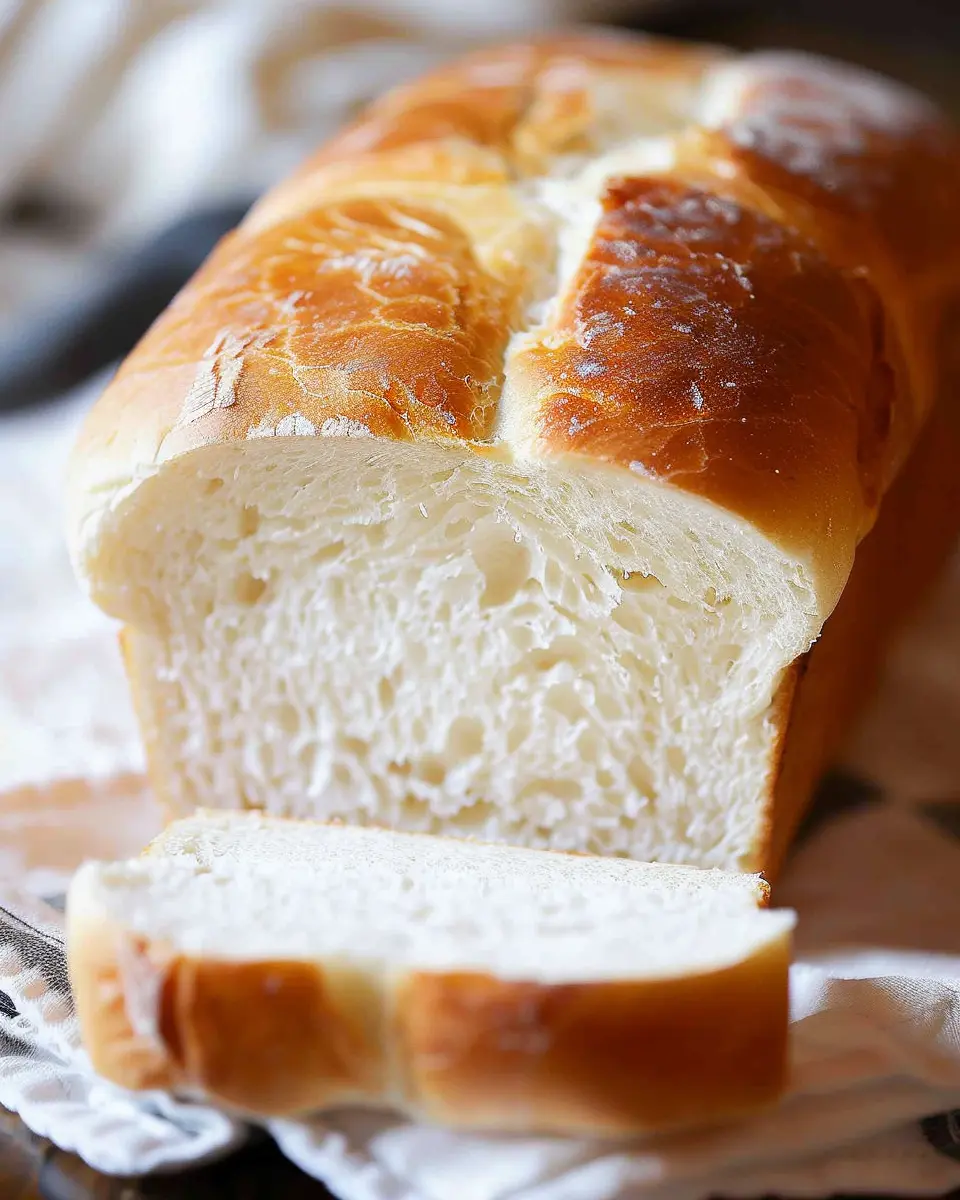
Variations of Amish White Bread
Amish white bread is a beloved classic, but who says you can’t mix things up? There are numerous delicious variations to try, each bringing a unique touch to the wonderful base recipe. Here are some creative options to consider for your next baking adventure.
Whole Wheat Amish White Bread
For those looking to add a nutritional punch, whole wheat Amish white bread is an excellent choice. Swapping out some or all of the all-purpose flour for whole wheat flour increases the fiber content while maintaining that soft texture. Just keep in mind that whole wheat flour absorbs more moisture, so you might need to slightly adjust the liquid in your recipe. This variation not only adds a nutty depth of flavor but is also perfect for sandwiches and toast.
Herb-Infused Variations
If you’re keen on enhancing the flavor profile, consider herb-infused Amish white bread. Simple additions like rosemary, thyme, or even garlic powder can transform your loaf into a delightful accompaniment for soups and stews. You can sprinkle fresh herbs in the dough or incorporate them into the butter you use for slathering on the finished loaf. The aroma that fills your kitchen will be simply irresistible!
Sweetened German-Style Amish Bread
For a touch of sweetness, try your hand at sweetened German-style Amish bread. This variation includes a dash of sugar and can be flavored with cinnamon or nutmeg, making it perfect for breakfast or brunch. Imagine enjoying thick slices with butter or your favorite jam—the possibilities are endless! If you’re looking for a delightful pairing with coffee, this version will not disappoint.
Whichever variation you choose, these takes on Amish white bread will not only please your palate but will also impress family and friends. For more tips on baking and ingredient substitutions, check out resources from the King Arthur Baking Company or America’s Test Kitchen.
Cooking Tips and Notes for Amish White Bread
Common pitfalls and how to avoid them
When diving into the wonderful world of Amish white bread, it’s easy to encounter a few bumps along the way—don’t worry; you’re not alone! Here’s how to smooth out those bumps:
-
Yeast Troubles: Always check the expiration date on your yeast. Active yeast is key to that delightful rise, so if it’s past its prime, your bread might turn out dense and sad. Try proofing the yeast in warm water with a sprinkle of sugar. If it bubbles, you’re good to go!
-
Kneading Know-How: Knead your dough only until it’s smooth and elastic. Over-kneading can lead to tough bread. If you’re unsure, think of it as a gentle massage—just enough to coax it into shape.
-
Temperature Control: Let the dough rise in a warm, draft-free place. If your kitchen is too cold, it can take forever to rise. An ideal spot could be inside a turned-off oven with the light on.
For more baking insights, visit sites like King Arthur Baking to enrich your knowledge! Happy baking!
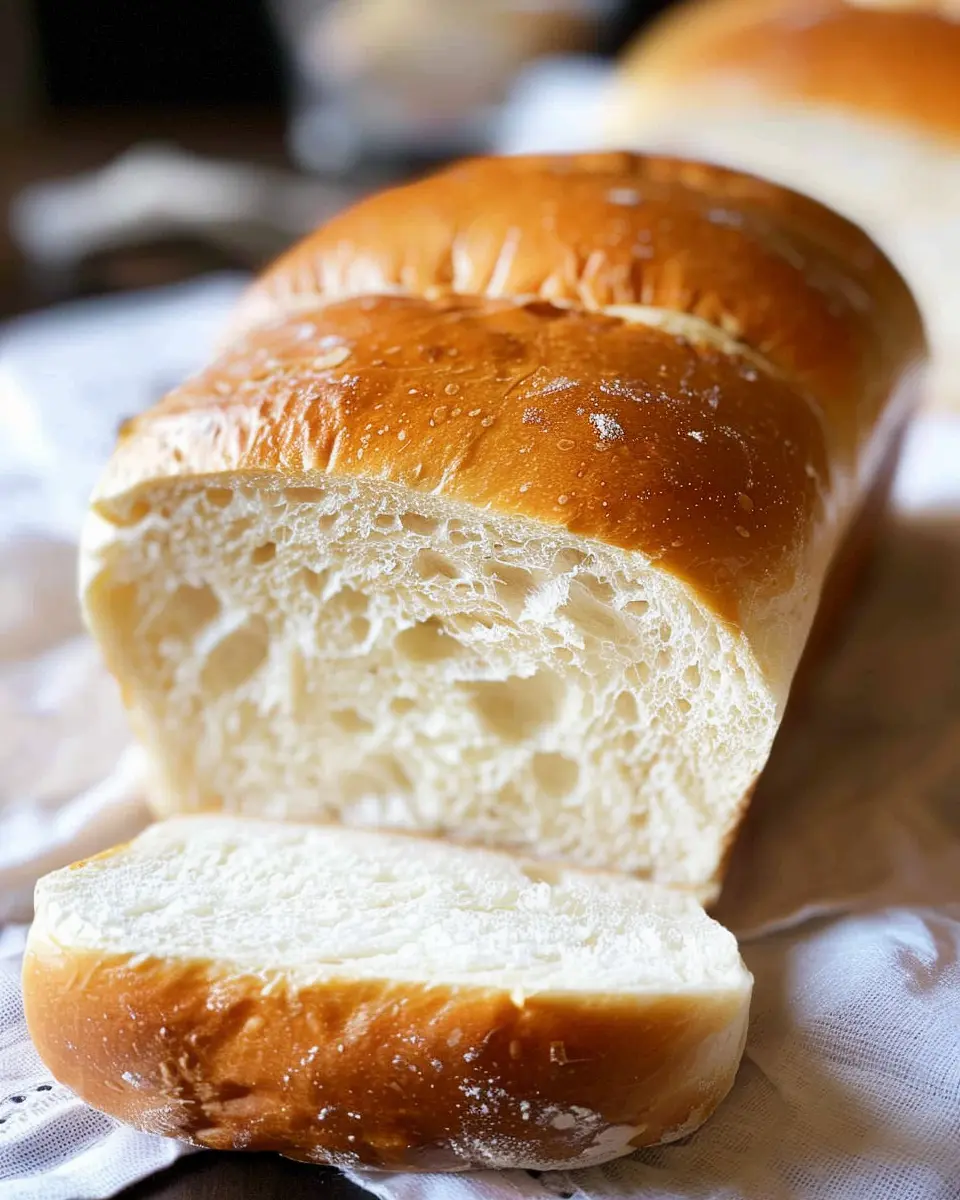
Serving Suggestions for Amish White Bread
Delightful Sandwiches and Toast Ideas
Amish white bread is incredibly versatile; it’s not just for sandwiches, but it excels in that role! Picture this: a thick slice toasted to golden perfection, topped with creamy avocado and seasoned Turkey Bacon. If you’re feeling adventurous, try a classic grilled cheese using your favorite melting cheese. The soft interior of the bread complements the gooey goodness.
For a quick weekday lunch, you can also whip up a sandwich with Chicken Ham and fresh greens. Don’t forget to spread a little Dijon mustard for that zing!
Perfect Pairing with Soups and Stews
On those chilly evenings, serve your homemade Amish white bread alongside a hearty bowl of soup or stew. Try it with a rich tomato basil soup, letting the crusty edges soak up every last drop of flavorful broth. You might also enjoy it with a savory beef stew; the bread’s light texture perfectly balances the meal.
For more ideas on pairing bread with soups, check out the detailed guide on soups.org. Enjoy the warmth and comfort of these delightful combinations!
Time Breakdown for Amish White Bread
Preparation time
Making Amish white bread is an enjoyable experience that takes approximately 15-20 minutes for preparation. This includes gathering all your ingredients, such as flour, sugar, and yeast, and then mixing them together to create the dough. Don’t rush this step—taking your time to get the right consistency will pay off with delightful results later.
Rising time
The dough needs a gentle touch and time to rise. Expect about 1-2 hours for it to double in size—perfect for a coffee break while the aroma of baking bread fills your kitchen. For a more in-depth look at yeast behavior, check out sources like King Arthur Baking.
Baking time
Once your dough is ready, it’s time to bake! This usually takes around 30-35 minutes in a preheated oven. Keep an eye on it towards the end; the bread should turn a lovely golden brown.
Total time
All in all, you’ll spend around 2-3 hours from start to finish for your Amish white bread. But remember, most of that time is just letting the dough rise and bake, so you can use it to catch up on your favorite podcast or enjoy a good book! Enjoy your baking journey!
Nutritional Facts for Amish White Bread
When baking Amish white bread, it’s essential to consider its nutritional profile. This bread is not just delicious; it also includes some noteworthy nutritional facts:
Calories per slice
Each slice of Amish white bread typically contains about 80 to 100 calories. This makes it a satisfying yet reasonable choice for your meals.
Carbohydrates and protein
With approximately 15 grams of carbohydrates and around 3 grams of protein per slice, this bread can be a great source of energy for your day. Carbohydrates play a crucial role in fueling your activities, while protein contributes to muscle maintenance and overall health.
Dietary fiber content
Though Amish white bread is primarily made with white flour, you can enhance the fiber content by opting for whole wheat variations or adding seeds. Typically, each slice has about 1 gram of dietary fiber. Fiber is vital for digestion and can help keep you full longer—consider pairing it with high-fiber toppings for a balanced snack.
For more insight into nutrition, visit the CDC’s Nutrition page or explore the benefits of dietary fiber on Harvard’s Healthy Eating site. Enjoy your baking!
FAQs about Amish White Bread
How can I make my bread softer?
For the softest Amish white bread, there are a few helpful tips to consider. First, ensure you’re using high-quality flour; bread flour usually results in a chewier texture, while all-purpose flour gives a softer crumb. Adding a tablespoon of softened butter or vegetable oil during mixing can also help maintain moisture, contributing to a tender loaf. Another great tip is to bake it slightly less than the recipe suggests—just until golden brown—so that it retains more moisture inside.
What should I do if my dough doesn’t rise?
If your dough is playing hard to get, there are several reasons and solutions to consider. First, check the freshness of your yeast. Old or inactive yeast won’t produce the bubbles necessary for rising. You can also try placing your dough in a warm environment; a draft-free area, like inside an unheated oven with the light on, can be ideal. If all else fails, don’t hesitate to use a thermometer; the optimal temperature for rising is around 75°F to 80°F (24°C to 27°C). For more beginner baking tips, check out King Arthur Baking.
Can I freeze Amish white bread?
Absolutely! Freezing your Amish white bread is a fantastic way to extend its shelf life. Once the loaf is completely cooled, wrap it tightly in plastic wrap and then in aluminum foil to prevent freezer burn. For easy slices, you can even slice it before freezing. When you’re ready to enjoy, simply thaw it at room temperature or pop it in the toaster. You can learn more about the best freezing practices from baking experts at The Spruce Eats.
With these FAQs addressed, you’re well-equipped to bake a delicious loaf of Amish white bread! Happy baking!
Conclusion on Amish White Bread
The joy of homemade bread and next steps
Baking Amish white bread is more than just following a recipe; it’s about creating something delicious and nourishing. The gentle aroma that wafts through your kitchen as it bakes reminds us of simpler times and shared meals. Once you’ve mastered this simple yet satisfying bread, consider experimenting with various toppings, like turkey bacon, chicken ham, or fresh herbs.
Next, why not share the joy? Bake an extra loaf for a neighbor or friend, or start a weekend baking tradition. The warmth of homemade bread fosters connection—something we could all use a little more of. Happy baking!
For more baking tips and inspiration, check out King Arthur Baking and Breadtopia.
PrintAmish White Bread: The Best Homemade Recipe You’ll Love

Amish White Bread is a soft, fluffy, and delicious homemade bread that is perfect for sandwiches or toast. This easy recipe will give you the best results, leaving you with a delightful loaf that the whole family will love.
- Prep Time: 20 minutes
- Cook Time: 35 minutes
- Total Time: 1 hour 55 minutes
- Yield: 1 loaf
- Category: Bread
- Method: Baking
- Cuisine: American
- Diet: Vegetarian
Ingredients
- 4 cups all-purpose flour
- 2 tablespoons sugar
- 1 tablespoon active dry yeast
- 1 teaspoon salt
- 1 ½ cups warm water
- 2 tablespoons melted butter
Instructions
- In a large bowl, combine warm water, sugar, and yeast. Let it sit for about 5 minutes until frothy.
- Add salt and melted butter to the mixture, then gradually add in the flour, one cup at a time, mixing well after each addition.
- Knead the dough on a floured surface for about 8-10 minutes until smooth and elastic.
- Place the dough in a greased bowl, cover with a cloth, and let it rise in a warm place for about 1 hour or until it doubles in size.
- Punch down the dough, then shape it into a loaf and place it in a greased loaf pan.
- Cover and let it rise again for about 30 minutes.
- Bake in a preheated oven at 350°F (175°C) for 30-35 minutes, or until golden brown. Let cool before slicing.
Notes
- For extra flavor, consider adding herbs to the dough.
- This bread can be frozen for later use.
Nutrition
- Serving Size: 1 slice
- Calories: 80
- Sugar: 1g
- Sodium: 150mg
- Fat: 2g
- Saturated Fat: 1g
- Unsaturated Fat: 1g
- Trans Fat: 0g
- Carbohydrates: 15g
- Fiber: 0g
- Protein: 2g
- Cholesterol: 5mg